
ヒートシンクのダイカスト部品は通常のカバーとは異なります。それらの形状は、機械的組み立てと熱伝達の両方をサポートする必要があります。フィンの厚さまたはベースの平坦度がわずかに変化すると、性能に影響を与える可能性があります。
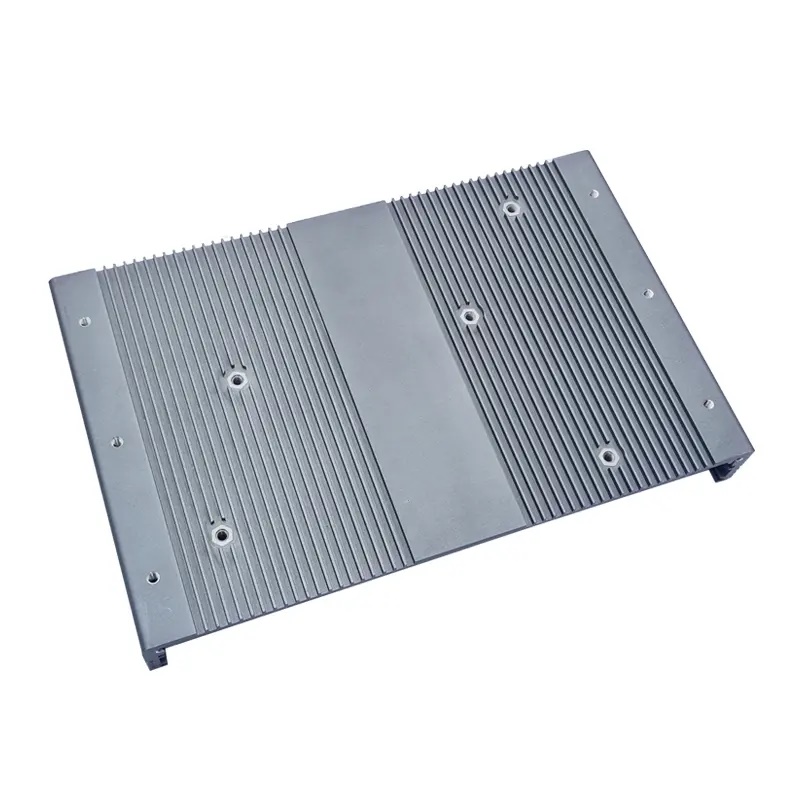
| 特徴 | なぜそれが重要なのか | 検査方法 |
|---|---|---|
| ベース面 | 熱接触とアセンブリ | 平坦性と目視チェック |
| フィン | 放熱領域 | 見た目と完成度 |
| 取付穴 | ボードまたはモジュールの固定 | 位置とネジ山のチェック |
| 表面仕上げ | 保護と外観 | コーティングまたはバリ取りのレビュー |
関連商品:アルミダイカスト製ヒートシンクプレート。関連する機能:アルミダイカストサービス。
ダイカストヒートシンクの熱性能は、フィン面積、ベースの厚さ、取り付け圧力、および表面接触によって影響されます。視覚的に魅力的なヒートシンクであっても、接触面が平らでなかったり、コーティングが熱界面をブロックしたりすると、性能が低下する可能性があります。
| デザインの特徴 | 利点 | 製造上の懸念 |
|---|---|---|
| 薄くて高いヒレ | より多くの表面積 | より困難な充填と排出 |
| 厚いベース | より良い構造 | 収縮と冷却の制御 |
| 機械加工された接触面 | より良いモジュール接触 | CNC操作を追加 |
| 塗装面 | 見た目と保護 | 重要な熱面のコーティングを避ける |
ヒートシンク部品の場合は、設計が固まる前にダイカストのサプライヤーに協力してもらうことをお勧めします。サプライヤーは、ツーリングコストを確定する前に、フィンの厚さ、抜き勾配、突き出し、加工代、検査方法をレビューできます。
ヒートシンクは外観がきれいに塗装されていても、熱接触面が平らでなかったり、塗装が適切でなかったりすると、性能が低下します。 LED モジュール、PCB、または電源コンポーネントに接触する表面は、機能面として扱う必要があります。平面度が必要な場合は、加工して検査してください。コーティングが施されている場合、購入者は接触面がコーティングされていないままであるかどうかを確認する必要があります。
フィンが薄いと表面積が増加しますが、充填と排出がより困難になります。非常に厚いベースは剛性を向上させますが、収縮のリスクが生じる可能性があります。熱性能とキャスタビリティのバランスがとれた最適な設計です。バイヤーがパフォーマンスを優先せずに完成した 3D モデルのみを提供した場合、サプライヤーはどの機能が調整可能でどの機能が修正されるかを知ることができません。
| サーマル機能 | 製造上の懸念 | 購入者メモ |
|---|---|---|
| 薄いフィン | 充填と排出時の損傷 | 最小許容厚さを確認する |
| 機械加工されたベース | CNC時間を追加 | 必要に応じて平坦度と粗さをマークします |
| コーティング | 熱接触に影響を与える可能性があります | コーティングなしゾーンを定義する |
著作権 © 2022 慈渓華波機械有限公司
サイトマップこの Web サイトでは、お客様に最高のエクスペリエンスを提供するために Cookie を使用しています。

 English
 Español
 Pусский
 Français



 ワッツアップ
 電話
電話
コメント
(0)