
ゲートとランナーの設計は通常、金型メーカーによって処理されますが、購入者はそれがなぜ重要なのかを理解する必要があります。これは、充填、表面品質、気孔リスク、トリミングに影響します。
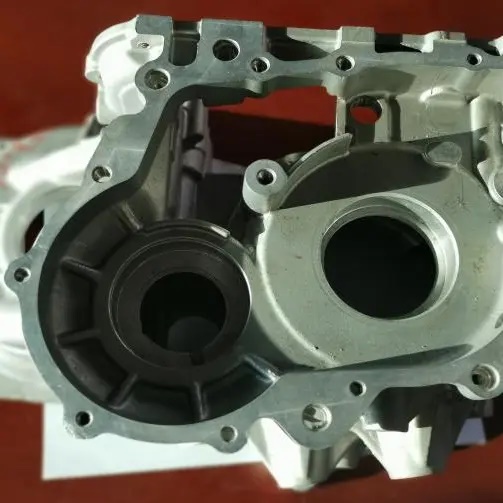
ゲートの位置が適切であると、金属がキャビティにスムーズに充填され、許容可能な領域にトリミング マークが配置されます。
| デザインエリア | 無視した場合のリスク | より良いエンジニアリングアクション |
|---|---|---|
| ゲートの位置 | 目に見えるトリミングマークまたは流れが悪い | 工具加工の前に化粧表面を確認する |
| ランナーバランス | キャビティ間の充填が一貫していない | 複数キャビティ金型のキャビティ レイアウトについて議論する |
| オーバーフローと通気 | 閉じ込められた空気と気孔率 | プロセス フィーチャのためのスペースを確保する |
| トリミングエリア | 機能エッジの損傷 | クリティカルエッジと加工面を定義する |
ゲートとランナーの決定は、金型の流れ、通気、成形品の外観に関係します。
Huabo は、ゲートマークを目に見えるエリアや機能的なエリアから離して配置できるかどうかを検討します。
購入者はランナーを設計する必要はありませんが、ゲートマークが許容できない表面を特定する必要があります。
関連資料:精密 ADC12 アルミダイカスト機械ハウジング、プロセス制御そして産業機械ダイカスト。
ゲートは溶融金属がキャビティに入る場所であり、充填パターン、気孔率、温度バランス、表面マークに影響を与えます。通常、購入者はゲートのデザインを指定しませんが、化粧面、シール面、トリミングが許容できない領域にマークを付ける必要があります。これにより、金型設計者に実際的な場所を選択する余地が与えられます。
| ゲート判定 | 生産効果 | 購入者の意見 |
|---|---|---|
| 厚肉部付近 | 摂食を改善できる | 収縮に敏感なゾーンを確認します。 |
| 目に見える端に | トリミング跡が残る場合があります | 化粧面にマークを付けます。 |
| ランナーバランス | マルチキャビティの一貫性に影響を与える | ボリュームとキャビティの計画について話し合います。 |
パーツのどこにゲートとオーバーフローが予想されるかを尋ねます。単純なマーク付き画像であっても、目に見えるマークに関する後での論争を防ぐことができます。
著作権 © 2022 慈渓華波機械有限公司
サイトマップこの Web サイトでは、お客様に最高のエクスペリエンスを提供するために Cookie を使用しています。

 English
 Español
 Pусский
 Français



 ワッツアップ
 電話
電話
コメント
(0)