
ブラケットは、実際の組み立て条件で位置を保持しているかどうかによって判断されます。カスタムアルミダイカストブラケットの場合、外形よりも穴の精度やリブの設計が重要な場合が多いです。
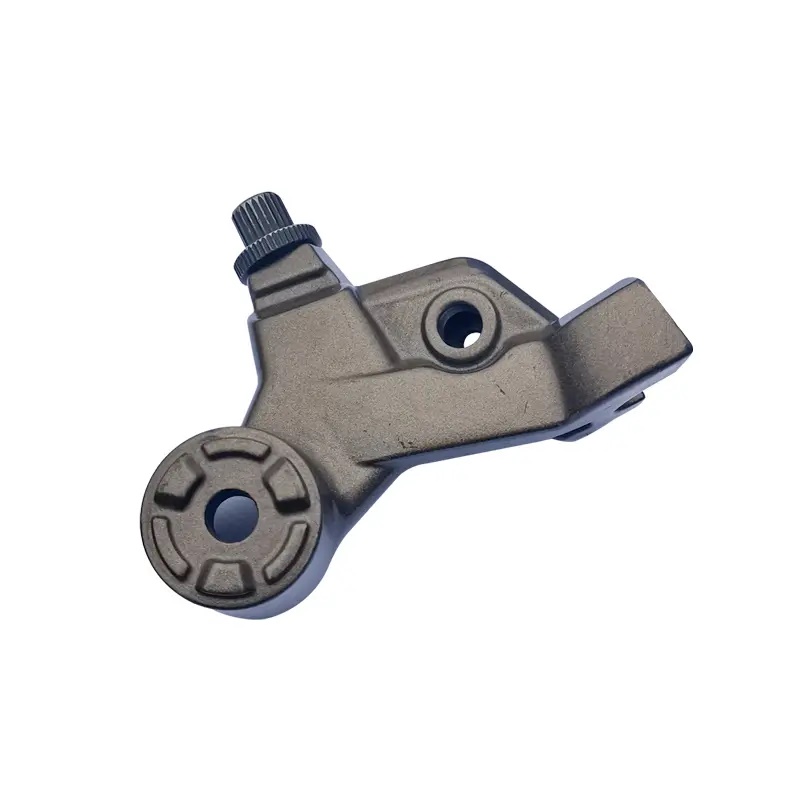
| 特徴 | デザイン上の懸念 |
|---|---|
| 肋骨 | 大きな収縮領域を作らずに荷重をサポート |
| 取付面 | 平面度を高めるために機械加工が必要な場合があります |
| 穴 | 位置公差とねじ深さ |
| エッジ | バリ管理と取り扱いの安全性 |
関連する機能:CNC加工。関連商品:カスタムアルミダイカストブラケットアーム。
材料の選択は重要ですが、多くの場合、ブラケットが適切に機能するかどうかは形状によって決まります。リブのレイアウト、ボスの設計、穴の位置によって、部品を介して荷重がどのように伝達されるかが決まります。
取り付け穴はパイロット フィーチャーとして鋳造され、その後ドリルまたはタップ加工されます。鋳造には、CNC 加工のための十分な余裕と安定した位置が必要です。
| 特徴 | 検査の焦点 |
|---|---|
| 取り付け穴 | 位置と直径 |
| ネジ穴 | ゴー/ノーゴーゲージ |
| 平らな取り付け面 | 平面度または治具のフィット感 |
| リブとエッジ | バリやクラックチェック |
ブラケットは材質が弱いために破損する可能性がありますが、荷重経路、リブの位置、または穴の位置が理解されていないことが原因で破損することの方が多いです。購入者はブラケットの取り付け方法と荷重がどの方向から来るかを説明する必要があります。これにより、サプライヤーはリブの厚さ、ボスのサポート、および加工面をレビューできます。
鋳造後に取り付け穴やネジ穴の穴あけやタップ加工が必要になる場合があります。これらの穴がアセンブリを制御する場合は、定義されたデータムと検査方法を使用して機械加工されたフィーチャーとして扱う必要があります。
| ブラケット機能 | 購入者のアクション |
|---|---|
| 耐荷重リブ | アセンブリの荷重方向を共有する |
| 取り付け穴 | 公差とデータムを定義する |
| ネジ付きボス | ねじの深さとゲージを指定する |
著作権 © 2022 慈渓華波機械有限公司
サイトマップこの Web サイトでは、お客様に最高のエクスペリエンスを提供するために Cookie を使用しています。

 English
 Español
 Pусский
 Français



 ワッツアップ
 電話
電話
コメント
(0)